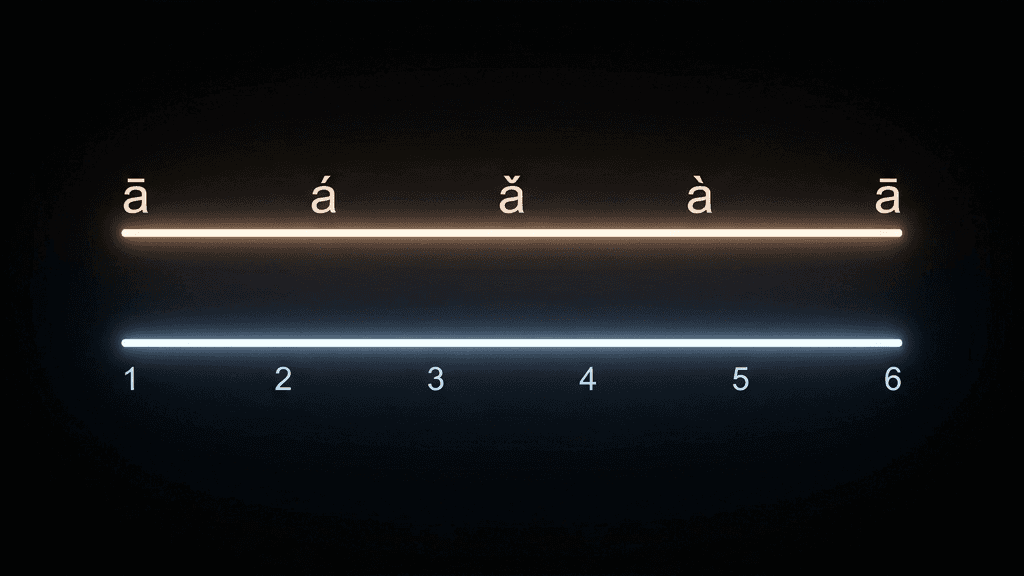
Imagine you are trying to share a secret with a friend, but the only way to write it involves memorizing thousands of unique, complex drawings. For centuries, this was the challenge for anyone learning Chinese.
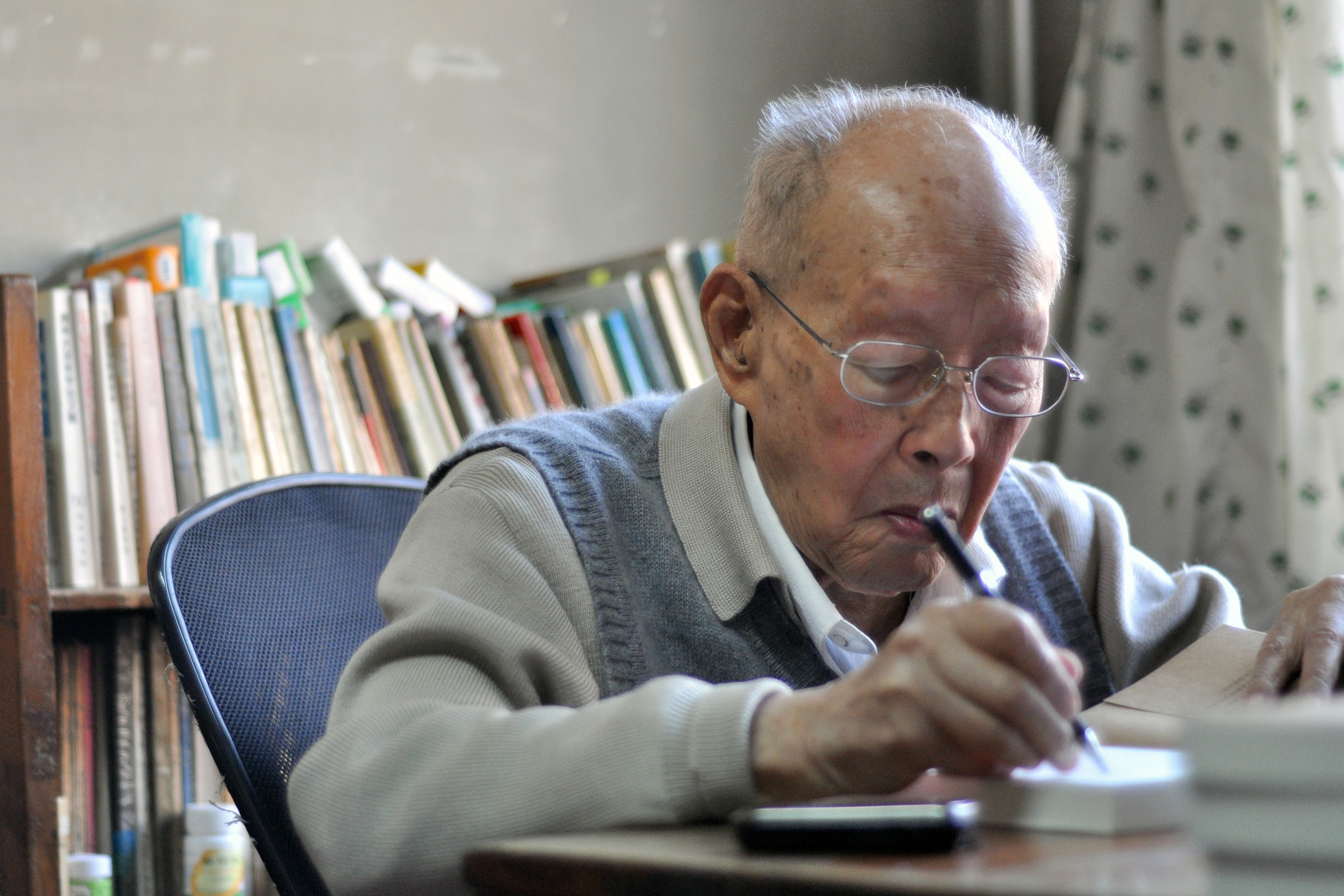
Enter Zhou Youguang. He was an economist by profession who possessed a deep passion for linguistics. He did not just see characters; he saw a need for a bridge.
In 1955, the government tasked him with leading a committee to create a system that used the Roman alphabet to represent the sounds of Mandarin. Because of this work, literacy rates in China climbed from approximately twenty percent to over ninety-five percent.
The Linguistic Spark
Zhou Youguang did not want to replace Chinese characters. Instead, he wanted to create a tool to help people learn them. That was the bridge that open the millenary and rich Chinese language to the world.
The Foundation: He chose the Roman alphabet because it was already used globally and offered technical advantages.
The Precision: He ensured every sound in Mandarin had a specific, unchanging spelling.
The Legacy: He lived to be 111 years old, witnessing his system become the global standard for typing, teaching, and international communication.
Pinyin in Action
Zhou Youguang’s system allows us to turn complex symbols into readable sounds instantly:
Character: 学
Pinyin: xué (Meaning: to study)
Character: 文
Pinyin: wén (Meaning: language)
Together, they form xué wén (knowledge). Without the work of Zhou Youguang, there would be no consistent system for typing these words on a modern device using a keyboard.
A Bridge Built in Three Years
Designing Pinyin was not a quick job. Zhou's committee began work in 1955 and spent about three years drafting and testing the system before the government formally approved it in 1958. The hardest decisions were not the letters themselves but the details: how to mark the four tones, how to handle syllables that begin with a vowel, and how to keep the spelling rules few enough to teach quickly. Once approved, Pinyin spread rapidly through the country's classrooms.
The Takeaway
Zhou Youguang proved that a simple idea can change the world. By turning "pictures" into "letters," he opened the doors of Chinese culture to everyone. Are you ready to walk through that door?
References
For those who wish to dive deeper, please explore these sources: