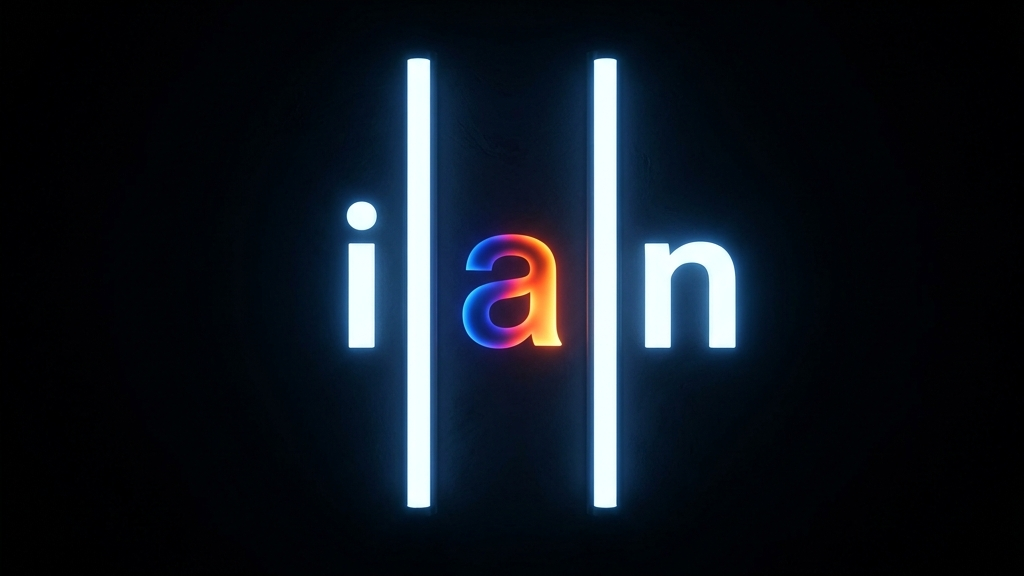
Many learners are surprised when they hear the word yán (salt) and notice that the 'a' does not sound like the wide, open 'a' in bā. Instead, it sounds more like an 'e' sound. This is not a mistake; it is a predictable shift that happens whenever 'a' appears in certain vowel combinations.
What Is Happening
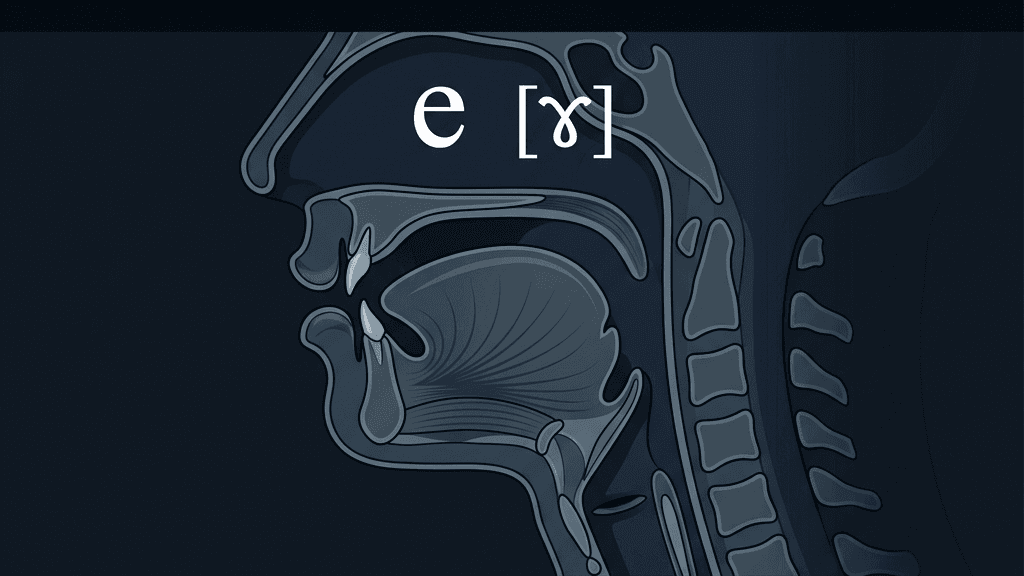
In the final 'ian' (as in yán, tiān, jiàn), the 'a' is not the same wide-open vowel you find in 'bā' or 'mā'. It is pulled forward and raised by the 'i' that comes before it and the 'n' that comes after it. The result is a sound that sits between 'a' and 'e', closer to the front of the mouth, with a smaller opening.
Why the Spelling Does Not Change
Pinyin uses the letter 'a' for this sound because the underlying vowel category is still 'a'; it is just being modified by its neighbors. Changing the spelling to 'ien' would create confusion with other finals. So the system keeps 'ian' and trusts learners to hear the difference in context.
Where This Shift Occurs
The 'a' shifts forward in these specific contexts:
- 'ian': as in tiān (sky), qián (money), yán (salt)
- 'üan': as in yuán (circle), quán (all)
In both cases, the 'a' is squeezed between a high front vowel ('i' or 'ü') and the front nasal 'n'. This front-heavy environment pulls the 'a' toward a more closed, forward position.
Where 'a' Stays Open
In finals like 'an' (without the preceding 'i'), 'ang', 'ai', and 'ao', the 'a' keeps its wide, open quality. Compare:
- bān (to move): wide, open 'a'
- biān (side): the 'a' shifts forward and closes slightly
A Practical Tip
When you see 'ian' or 'üan', do not force a wide-open 'a'. Let your mouth find a slightly smaller, more forward position. The 'i' or 'ü' before it and the 'n' after it will naturally guide the 'a' to the right place. If you fight to keep the 'a' fully open, the syllable will sound stiff and unnatural.
Pinyin Spells the Family, Not the Exact Sound
The yan-to-yen shift is not a one-off oddity; it follows a principle that runs through all of Pinyin. The system gives each vowel family a single letter, then lets neighbors bend the exact sound. The same thing happens with the letter e, which changes shape inside ei, en, and ie, and with the letter i, which buzzes after zh and z. Once you expect a few letters to flex with their surroundings, words like yán stop being surprises and start being predictable.
The Key Takeaway
The letter 'a' in Pinyin is not always the same sound. In 'ian' and 'üan', it shifts forward, producing a narrower vowel. This is normal, predictable, and consistent. Trust what you hear, not just what you see on the page. (hear it on the Pinyin Chart)