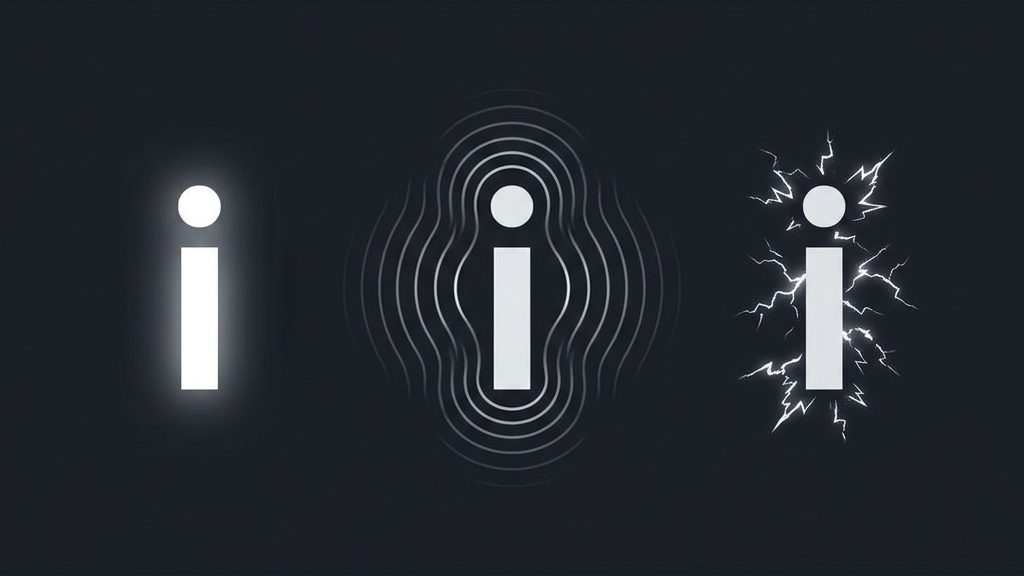
The letter 'i' in Pinyin is not one sound. It is three different sounds, and the initial consonant before it tells you which one to use. This catches many learners off guard, because the same letter looks identical in every syllable.
The Three Versions of 'i'
Version 1: The bright 'i'. This is the default. Your tongue rises high toward the front of your mouth, lips spread. You hear this in syllables like lī, bī, mī, jī, qī, xī, and when 'i' stands alone as yī.
Version 2: The retroflex 'i'. After the initials zh, ch, sh, r, the 'i' changes. Your tongue stays curled backward in the retroflex position. The sound becomes a tense, buzzy hum, very different from the bright 'i'. You hear this in zhī, chī, shī, rì.
Version 3: The dental 'i'. After the initials z, c, s, the 'i' changes again. Your tongue stays forward, pressed near the upper teeth. The sound is a tense hiss, different from both the bright and retroflex versions. You hear this in zī, cī, sī.
How to Tell Them Apart
The rule is simple; look at the initial:
- After zh, ch, sh, r → tongue curled back, buzzy hum
- After z, c, s → tongue forward near teeth, tense hiss
- After everything else (or standalone) → tongue high and forward, bright and clear
Why This Matters
If you say chī (to eat) with a bright 'i', it will sound unnatural to a native speaker. The retroflex initial demands the retroflex vowel. The two must match. Similarly, saying sī (silk) with a bright 'i' erases the dental character of the syllable.
A Practical Test
Say lī and chī back to back. Notice how your tongue is in completely different positions for the 'i' in each word. For 'lī', the tongue is high and forward with spread lips. For 'chī', the tongue is curled back with slightly rounded lips. They do not feel the same, and they should not sound the same. (hear it on the Pinyin Chart)
When i Is Almost Not a Vowel
Here is what makes the two special versions so strange. In zhī and sī, the i is not really a separate vowel sound at all. The tongue never moves to a new vowel position; it simply stays where the consonant left it and adds voice. Linguists describe these as syllabic continuations of the consonant rather than true vowels. That is why they feel less like saying "ee" and more like humming the consonant itself a moment longer.
The Key Takeaway
Do not let the spelling fool you. The letter 'i' is a chameleon in Pinyin. It changes its sound to match the consonant that comes before it. Learn to feel the three tongue positions, and you will pronounce every 'i' correctly.