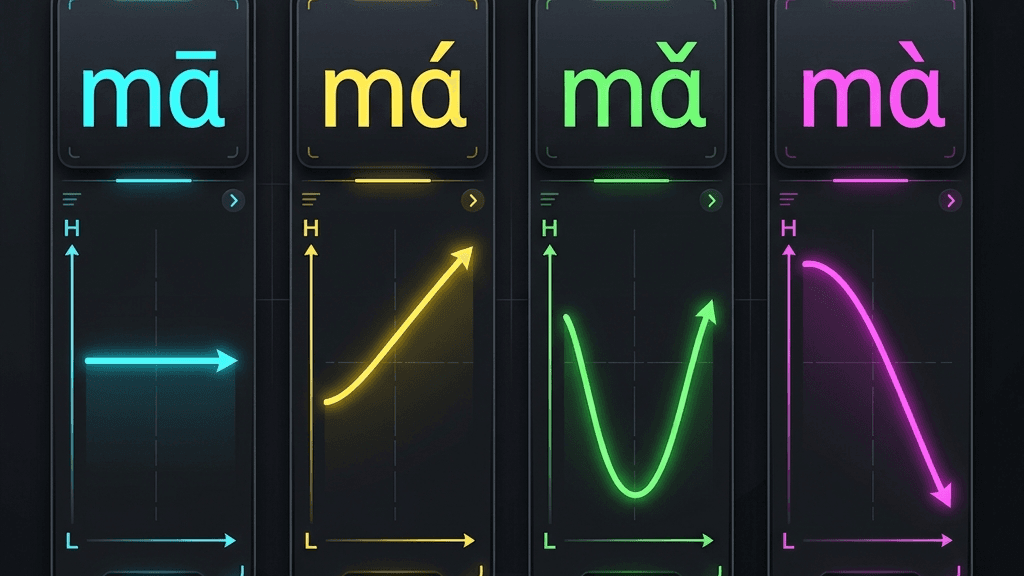
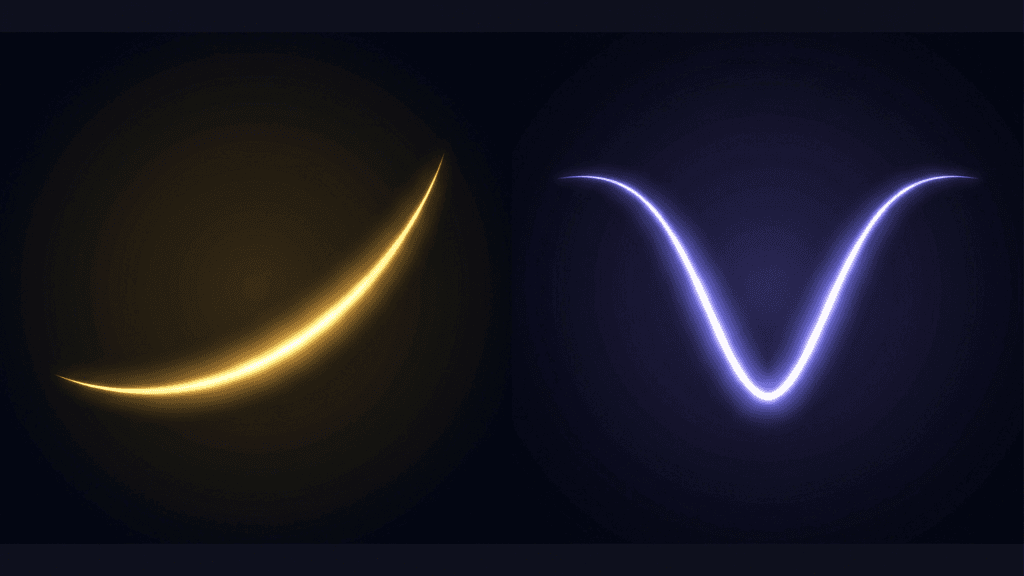
Mandarin is famous for its four main tones, which move up, down, and across your vocal range. However, there is a quiet fifth member of the family: the Neutral Tone.
If the first four tones are like singing notes, the Neutral Tone is like a soft whisper or a light tap on a drum. It is not written with a symbol. Instead, it is indicated by the absence of a mark.
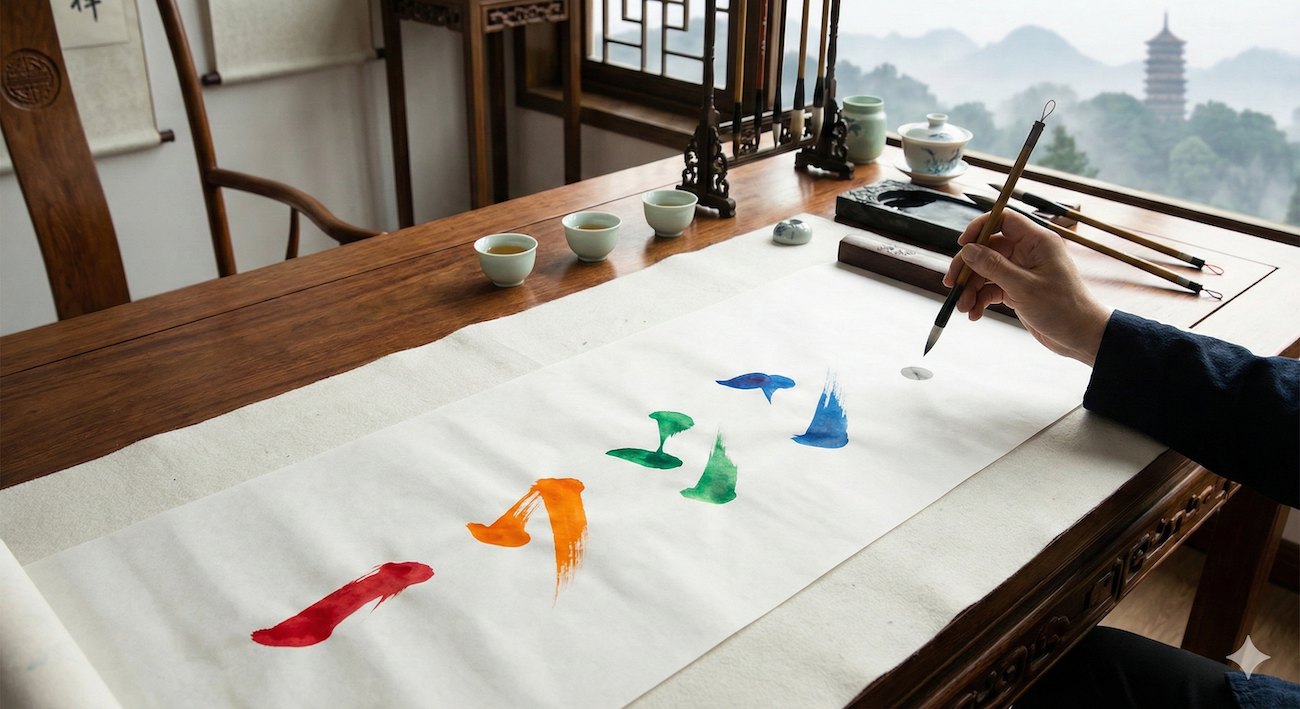
The Soft Landing
The Neutral Tone is unique because it does not have its own fixed pitch. Instead, it "floats" based on the tone that comes before it.
The Mouth: Relax your throat and vocal cords.
The Length: Make the sound very short. It should last only half as long as a regular tone.
The Energy: De-emphasize the syllable. Imagine you are quickly dropping a small pebble into still water: just a tiny "plop" and then silence.
Practice the Softness
You will often find the Neutral Tone in repetitive words or grammatical markers. Notice how the second syllable is shorter and lighter:
mā ma (Mother): The first mā is high and long; the second ma is a light, neutral tap.
bà ba (Father): The first bà is a strong drop; the second ba is a soft landing.
nǐ de (Yours): The first nǐ is a dip; the second de is a short, neutral finish.
Northern Spice: Why Accents Shift
You might notice that people in Beijing use the Neutral Tone much more often than people in Taipei or Guangzhou.
In Northern China, the language developed a "bouncier" rhythm, where many second syllables are dropped into a neutral sound to make speech faster and more fluid.
In Southern China and Taiwan, speakers tend to give every syllable its full tonal value, making the speech sound more "flat" or "even" compared to the Northern "staccato" style.
The Universal Anchors
Even in places like Taiwan or Guangdong, where the Neutral Tone is less common, some characters almost always stay light and short. These are usually "grammatical" words that do not carry a heavy meaning on their own:
le (了): Used to show a completed action. Even in the south, you will hear chī le (eaten) with a very short, neutral le.
de (的): Used to show possession. In wǒ de (mine), the de remains a quick, neutral anchor regardless of the local accent.
When the Light Tone Changes the Meaning
The neutral tone is not only about rhythm; sometimes it decides what a word means. The clearest example is 东西. Said with a full first tone on both syllables, dōngxī means the directions east and west. Drop the second syllable to a neutral tone, dōngxi, and the very same characters now mean a thing or stuff. Here the light tone is doing real work, not just smoothing the rhythm.
Conclusion
The Neutral Tone adds rhythm and ease to Mandarin. It allows the speaker to rest between more energetic sounds.
As you practice, aim for lightness rather than strength. If you feel that no tone is the best tone, then the 5th tone will be your favorite!