Here is a rule that surprises many learners: when two 3rd Tones appear in a row, the first one changes to a 2nd Tone. This is not optional. It is not a shortcut. It is a mandatory rule of spoken Mandarin, and every native speaker follows it automatically.
What Is Tone Sandhi?
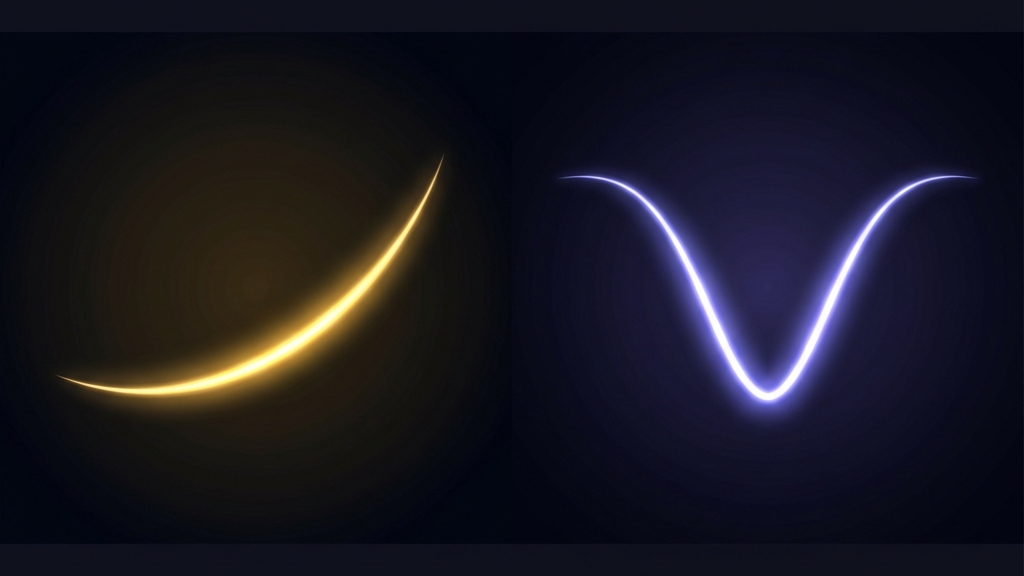
"Tone sandhi" simply means "tone change." It describes situations where a tone is written one way but spoken another way. The most common case is the 3rd Tone change. When two syllables with the 3rd Tone sit next to each other, the first syllable shifts from a low dipping tone to a rising tone, identical to the 2nd Tone.
How It Works
Take the word nǐ hǎo (Hello). Both syllables are written with the 3rd Tone mark. But when you say them together, the first syllable 'nǐ' rises like a 2nd Tone: ní hǎo. Only the last syllable keeps the original 3rd Tone dip.
The rule is simple: in a sequence of two 3rd Tones, the first one becomes a 2nd Tone. The written tone mark does not change; this is purely a spoken adjustment.
More Examples
- hěn hǎo (Very good) → spoken as hén hǎo
- yě hǎo (Also good) → spoken as yé hǎo
- xiǎo jiě (Miss / Young lady) → spoken as xiáo jiě
What About Three or More 3rd Tones?
When three or more 3rd Tones line up, the changes depend on natural word groupings. The general principle is the same: every 3rd Tone that comes before another 3rd Tone rises to a 2nd Tone. Only the very last one in the group keeps the dipping shape.
For example, wǒ yě hǎo (I am also good) is typically spoken as wó yé hǎo. Both 'wǒ' and 'yě' rise, because each one precedes another 3rd Tone.
Why This Happens
Two dipping tones in a row are physically difficult to produce at natural speaking speed. The mouth naturally smooths the first dip into a rise to keep the rhythm flowing. Tone sandhi is your mouth making an efficient choice, and Mandarin has built that choice into its rules.
The Half Third Tone
There is a second, quieter change worth knowing. A third tone only makes its full dip-and-rise shape when it stands alone or ends a phrase. Before a first, second, or fourth tone, it is usually shortened to just its low, falling first half, with no rise at the end. Linguists call this the half third tone. So in hǎo de or nǐ hǎo ma, the third tone sits low rather than swooping up. Knowing this stops you from over-pronouncing every third tone as a dramatic valley.
The Key Takeaway
The written Pinyin always shows the original, "dictionary" tone. But when you speak, apply the change. Read the 3rd Tone marks, then adjust the first one to a rising tone before you say the word. With practice, this adjustment will become automatic.