The finals 'an' and 'ang' look similar on paper, but they are two distinct sounds. Mixing them up is one of the most common pronunciation mistakes in Mandarin. The good news: the physical difference is clear and easy to feel once you know what to check.
Where the Difference Lives
Both 'an' and 'ang' start with the same open 'a' vowel. The difference is entirely at the end, how and where the nasal sound is produced:
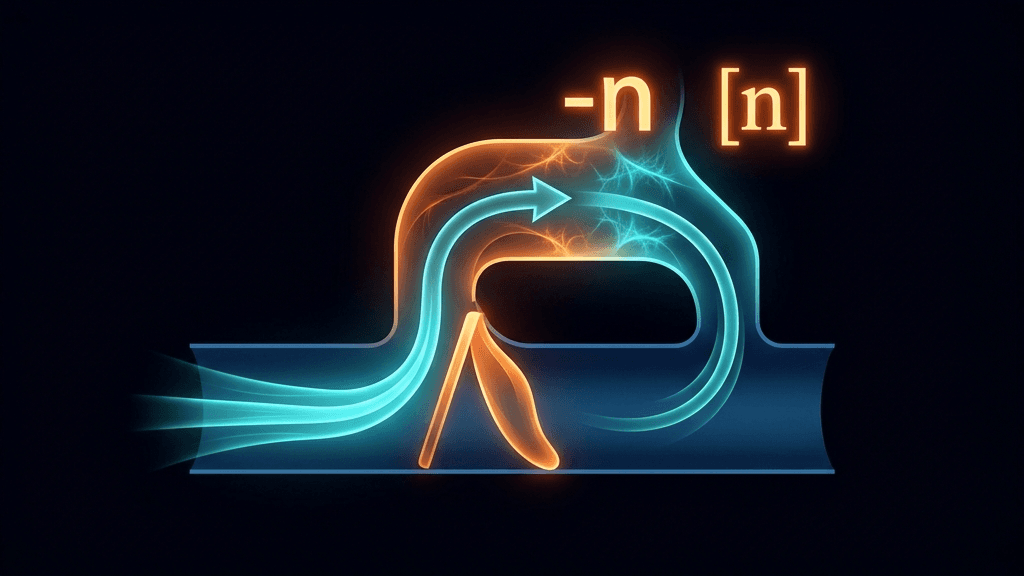
- 'an': the tongue tip rises to press against the ridge just behind the upper front teeth. The nasal sound exits through the nose while the front of the mouth is sealed.
- 'ang': the tongue tip stays down and the back of the tongue rises to press against the soft palate (the fleshy area at the rear of the roof of the mouth). The nasal sound exits through the nose while the back of the mouth is sealed.
The Tongue Tip Test
Here is a simple way to check which one you are producing. Say the syllable and hold the final nasal sound. Now ask: where is my tongue tip?
- If the tongue tip is up, touching the ridge behind your teeth → you are saying 'an'
- If the tongue tip is down, relaxed and away from the teeth → you are saying 'ang'
This single check, tongue tip up or down, is the most reliable way to distinguish the two.
The Vowel Also Shifts
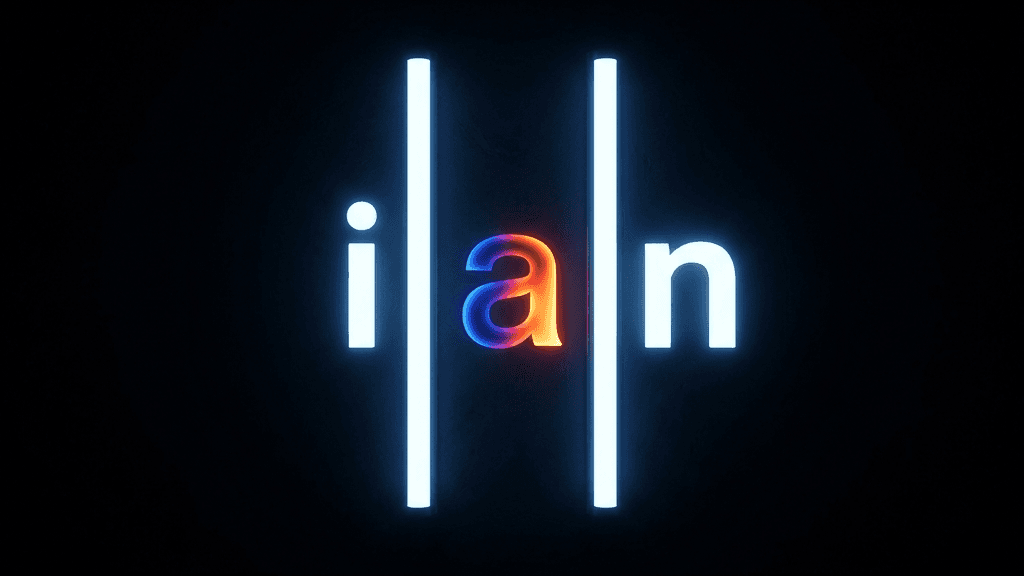
There is a secondary difference that many learners miss. The 'a' vowel in 'an' is slightly more forward and closed than the 'a' in 'ang'. In 'ang', the mouth opens wider and the vowel sits further back. This happens naturally when the tongue back rises for the 'ng' ending; it pulls the vowel with it.
Minimal Pairs to Practice
- bān (To move) vs. bāng (To help)
- fán (Annoying) vs. fáng (Room)
- lán (Blue) vs. láng (Wolf)
- tān (Greedy) vs. tāng (Soup)
A Daily Drill
Pick one pair from the list above. Say the 'an' word three times, feeling the tongue tip rise at the end. Then say the 'ang' word three times, feeling the tongue tip drop while the tongue back rises. Alternate between them until the two positions feel clearly distinct.
The Vowel Is the Real Tell
Here is a subtlety that makes these pairs much easier. In natural, flowing speech, native speakers often barely articulate the final n or ng at all. What actually carries the contrast is the vowel itself: the a in an is brighter and more forward, while the a in ang is darker and pulled back. So rather than chasing a crisp consonant at the end, shape the vowel correctly and the right ending follows almost by itself.
The Key Takeaway
For 'an': tongue tip goes up to the front. For 'ang': tongue tip stays down, tongue back goes up. These are opposite movements. Once you feel the contrast in your mouth, you will never confuse them again.