At the very front of the mouth sits a tidy trio of sounds: the dental sibilants z, c, and s. They are made with the tongue tip right against the upper teeth, and like Mandarin's other consonant families, they share one position and differ only in how the air behaves.
One Position at the Teeth
Place the tip of your tongue against the back of your upper front teeth, lips relaxed and slightly spread. That single position produces all three sounds:
- z seals the air at the teeth, then releases it gently into a short buzz, with no puff. (zài, again)
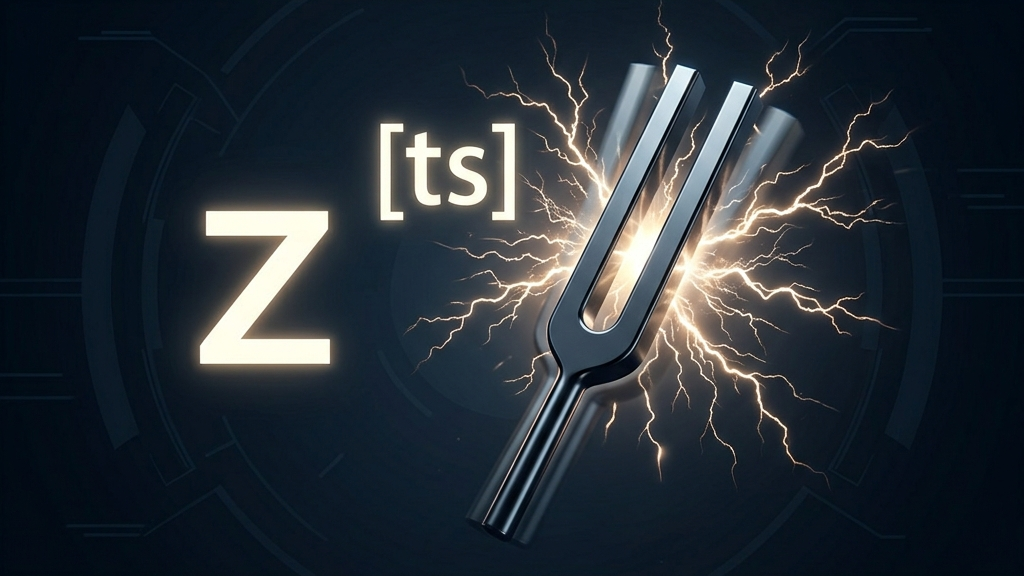
- c seals it the same way, then releases with a sharp puff of breath. It sounds like ts. (cài, dish)
- s never seals the air; it hisses out steadily through the narrow gap. (sān, three)
The letter c is the one that catches everybody out. It is not a k and not a plain s; it is a crisp ts, released with force.
The Buzzing i After z, c, s
One quirk arrives the moment these sounds meet the letter i. In zī, cī, and sī, the i is not the bright vowel of jī or lī. The tongue simply stays where it is, near the teeth, and hums. The letter i actually stands for three different sounds in Pinyin depending on what comes before it, a chameleon we follow in full in why i sounds different in chī and lī.
Do Not Confuse Them with the Retroflexes
The dentals have a curled-tongue mirror image in zh, ch, sh, and the two groups are easy to blur because they run the same soft-stop, breathy-stop, hiss pattern. The giveaway is the tongue: dentals point the tip forward at the teeth with spread lips, while the retroflexes curl it back with rounded lips. We set the two families side by side in meet the cousins: z, c, s vs zh, ch, sh.
Practicing the Set
Drill the three in sequence: zī, cī, sī, keeping the tongue tip planted at the teeth the whole time. Listen for the gentle release, then the sharp puff, then the long hiss. The hardest habit to build is trusting that c really is ts, so give that one extra repetitions until the puff feels automatic.